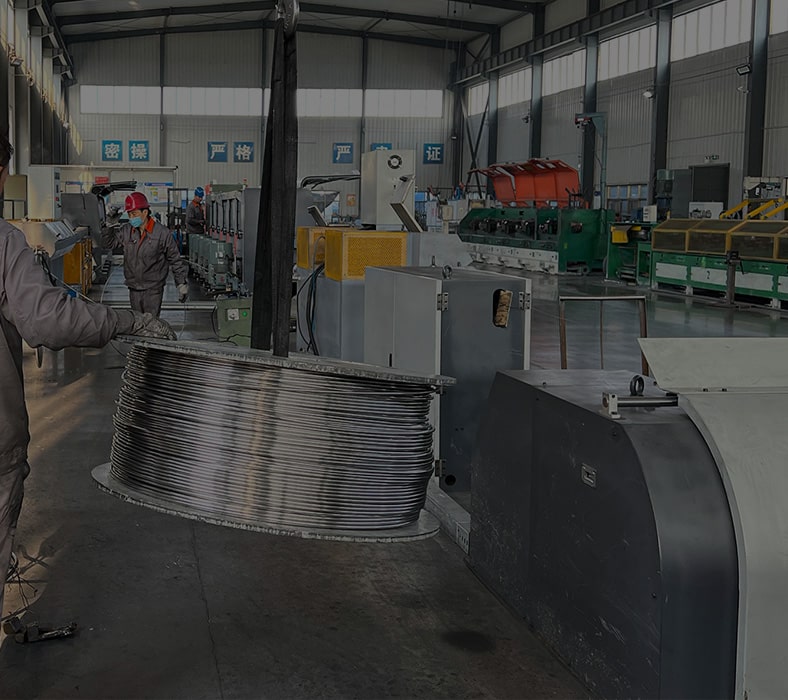
Everything You Need to Know About Buying Titanium Wire
Are you in the market for titanium wire? Whether you’re an engineer, a manufacturer, or a DIY enthusiast, understanding the ins and outs of purchasing titanium wire is essential. With its exceptional properties and versatile applications, titanium wire has become a sought-after material across various industries. However, navigating the buying process can be overwhelming without the right knowledge. That’s why we have created this comprehensive guide to provide you with everything you need to know about buying titanium wire.
1. What is Titanium Wire?
Titanium wire is a type of wire made from titanium, a strong and lightweight metal known for its exceptional properties. It is manufactured through a process that involves drawing or rolling titanium into thin, elongated strands. Titanium wire is available in various diameters, grades, and surface finishes to suit different applications.
2. The main Characteristics of Titanium Wire
High Strength-to-Weight Ratio
Titanium wire possesses remarkable strength while being lightweight. This makes it ideal for applications that require strength without adding excessive weight.
Corrosion Resistance
Titanium is highly resistant to corrosion, even in harsh environments such as saltwater or chemical exposure. This property makes titanium wire suitable for applications in marine, aerospace, and chemical industries.
Biocompatibility
Titanium wire is biocompatible, meaning it is compatible with living tissues and can be safely used in medical implants, orthopedic devices, and dental applications.
Excellent Heat Resistance
Titanium has a high melting point and excellent heat resistance, allowing it to withstand high temperatures without significant deformation or damage. This property makes titanium wire suitable for applications in the aerospace and automotive industries.
Non-Magnetic
Titanium is non-magnetic, making it suitable for applications where magnetic interference must be avoided, such as in sensitive electronic devices or medical equipment.
3. Applications of Titanium Wire
Titanium wire finds extensive use across various industries due to its unique properties. Some of the common applications include:
Aerospace industry
Titanium wire is widely used in the aerospace industry. It is used to manufacture aircraft structural parts, engine components, spacecraft and missile components, etc.
Medical devices
It is used in the manufacture of orthopedic implants, artificial joints, dental implants and surgical tools. Titanium wire has good biocompatibility and corrosion resistance, making it an ideal choice for medical devices.
Chemical industry
Because of its excellent corrosion resistance, titanium wire is widely used in the chemical industry. Titanium wire is used in the manufacture of chemical equipment, storage tanks, heat exchangers and pipes. It can resist harsh environments such as strong acids, strong alkalis and corrosive gases to ensure long-term stable operation of the equipment.
Automotive industry
It is used in the manufacture of automotive exhaust systems, structural body parts and engine components, etc. The high strength and light weight properties of titanium wire help reduce the overall weight of the vehicle and improve fuel efficiency and performance.
Electronics
It is used in the manufacture of electronic components, connectors and electronic circuits, etc. The non-magnetic and excellent conductive properties of titanium wire make it an ideal material for use in electronic equipment.
Welding
Titanium wire plays an important role in the field of welding. It is used as a welding material for filling welds and joining titanium and its alloys. Titanium wire provides good material compatibility and strength in the welding process, ensuring the quality and reliability of the welded joint
Titanium wire for additive manufacturing
Because of its excellent properties, it enables high-precision printing of complex structures.
Jewelry and art fields
Titanium wire is widely used in jewelry making due to its unique appearance, durability and hypoallergenicity.
Sports and recreation
Titanium wire is used in sporting goods, such as bicycle frames, golf club shafts and fishing rods, and is popular for its lightweight and durable characteristics.
4. The type of titanium wire
Titanium wire is divided into: titanium wire, titanium alloy wire, pure titanium glasses wire, titanium straight wire, pure titanium wire, titanium welding wire, titanium hanging tool wire, titanium coil wire, titanium bright wire, medical titanium wire, titanium nickel alloy wire.
Titanium Wire
This is a filamentary product made of pure titanium, with good corrosion resistance and high strength, commonly used in aerospace, chemical, medical and other fields.
Titanium Alloy Wire
Titanium Alloy Wire is a wire product made by alloying titanium with other elements (such as aluminum, vanadium, zirconium, etc.). Titanium alloy wire usually has higher strength and corrosion resistance, and is widely used in aerospace, automotive, medical and sports equipment.
Pure Titanium Eyeglass Wire
This is a pure titanium wire specifically used for eyeglass manufacturing, which is lightweight, corrosion resistant and comfortable.
Titanium Straight Wire
This is a uniform diameter titanium wire product that is commonly used for electronic component connection and conductive applications.
Titanium Welding Wire
Titanium welding wire is used for welding of titanium materials and provides high strength and corrosion resistant welded joints.
Titanium Hanger Wire
Titanium wire used to make lightweight, durable clothing hangers.
Titanium Mesh Wire
This is a woven mesh of titanium wire commonly used for filtration, screening and isolation applications.
Titanium Bright Wire
Polished titanium wire with a smooth and shiny surface, often used in jewelry making and decorative applications.
Medical Titanium Wire
Titanium wire used in the manufacture of medical devices and implants with biocompatible and good mechanical properties.
Titanium Nickel Alloy Wire
Titanium nickel alloy wire is a filamentary product made by alloying elements such as titanium and nickel and is commonly used in applications such as the manufacture of springs and sensors.
These different types of titanium wire have specific uses and performance advantages in their respective fields. The specific type of titanium wire chosen depends on the application requirements and desired properties.
5. Select the right titanium wire
Clarify your specific requirements:
Before purchasing titanium wire, first clearly understand your specific needs and application scene. Consider factors such as diameter, grade and surface finish to ensure that the titanium wire you select meets your requirements. For example, in the medical industry, factors such as biocompatibility and surface smoothness of the titanium wire need to be considered.
Research titanium wire suppliers
Finding a reliable supplier of titanium wire is important. Make sure the supplier is experienced and holds relevant certifications and follow industry standards to ensure product quality and reliability. You can check the supplier’s customer reviews and recommendations for additional references. In addition, consider the following:
1. Credibility and reputation of suppliers: Find out the reputation and credibility of suppliers in the titanium wire industry, whether they have a good business record and customer feedback.
2. Experience and expertise: Ensure that the supplier has the experience and expertise to meet your specific needs and provide relevant advice.
3. Quality control and certification: Confirm that the supplier has strict quality control measures in the process of production and holds relevant certifications, such as ISO 9001 quality management system certification.
4. Supply Chain Transparency: Understanding suppliers’ supply chain management and source traceability to ensure the quality and traceability of titanium wire.
5. Technical support and service: Confirm that the supplier can provide good technical support and service to solve the problems you may have during the use process.
By considering all of these factors, you will be able to select the right titanium wire supplier to meet your needs and obtain a high quality product. To learn more about selecting high quality titanium wire, please read our article: [5 key points to teach you how to select high quality titanium wire].
6. Factors to consider when purchasing titanium wire
Quality Control
When purchasing titanium wire, strict quality control is essential. Verify that the product meets industry standards and specifications to ensure that the titanium wire you receive from your supplier is of high quality. You can ask your supplier to provide quality assurance certificates and product testing reports to ensure the quality and reliability of titanium wire.
Price and value evaluation
Comparing prices from different suppliers is necessary, but it’s not just about the price itself. Evaluate the overall value of titanium wire by taking into account quality, service and other added benefits. Be careful not to go for low prices at the expense of other key factors such as the supplier’s delivery reliability, after-sales service and technical support. Make sure you are getting high quality titanium wire for long-term use.
Terms and Conditions
When purchasing titanium wire, it is important to carefully review the terms and conditions of the purchase agreement. Pay particular attention to the details of payment terms, delivery schedules, etc. Make sure you understand all rights and responsibilities and that you communicate and negotiate fully with the supplier.
Additional Tips and Considerations
In addition to the above factors, the following are some additional tips and considerations to help you make an informed decision when purchasing titanium wire:
Seek expert advice: If you are unsure or have questions about the technical requirements of titanium wire, you can consult an industry expert or contact us. We can provide you with expert advice and help you select the right titanium wire for your specific needs.
Third Party Quality Testing: Consider using a third party laboratory to perform quality testing of your titanium wire. This can ensure that the titanium wire meets your requirements and provides independent quality verification.
By considering all of these factors and additional tips and considerations, you will be able to make an informed purchasing decision and obtain a high quality and reliable titanium wire product.
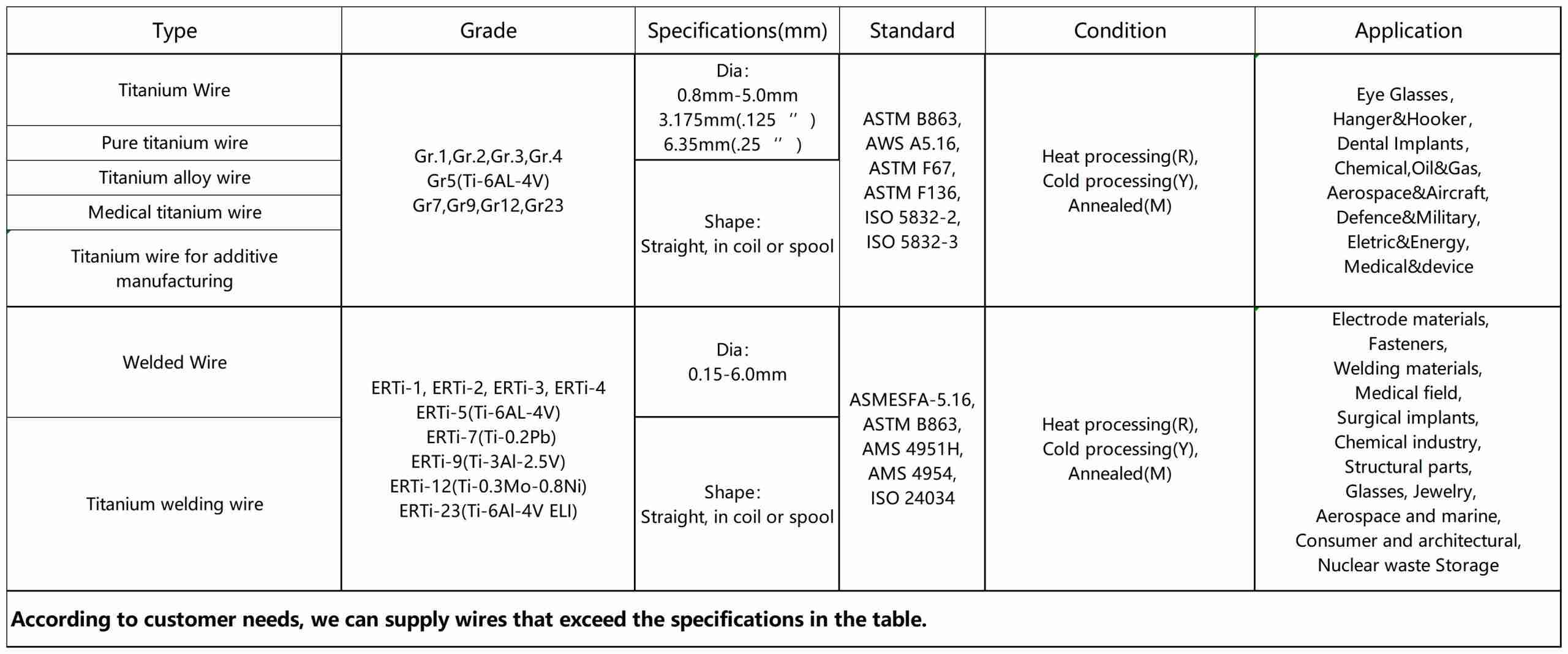
7. Our supply range
8. Summary
Before buying titanium wire, it is extremely important to know everything you need to know about this material. With this article we hope to have provided you with a comprehensive buying guide so that you can make an intelligent decision.
At Polaris Titanium, we are committed to providing our customers with the highest quality titanium wire products and an excellently enjoyable shopping experience. Whether you are looking for titanium wire for industrial use or for fine art design needs, we have a wide selection of products to meet every need. Our titanium wire undergoes rigorous quality control and testing to ensure its superior performance and reliability.
Whether you are new to titanium wire or an experienced titanium wire buyer, Polaris Titanium is your trusted partner. Let us work with you in your pursuit of excellence to provide the perfect titanium wire solution for your project. Visit our website today to learn more about Polaris Titanium and our products.